
How to Support Pollinators with Native Wetland Plants
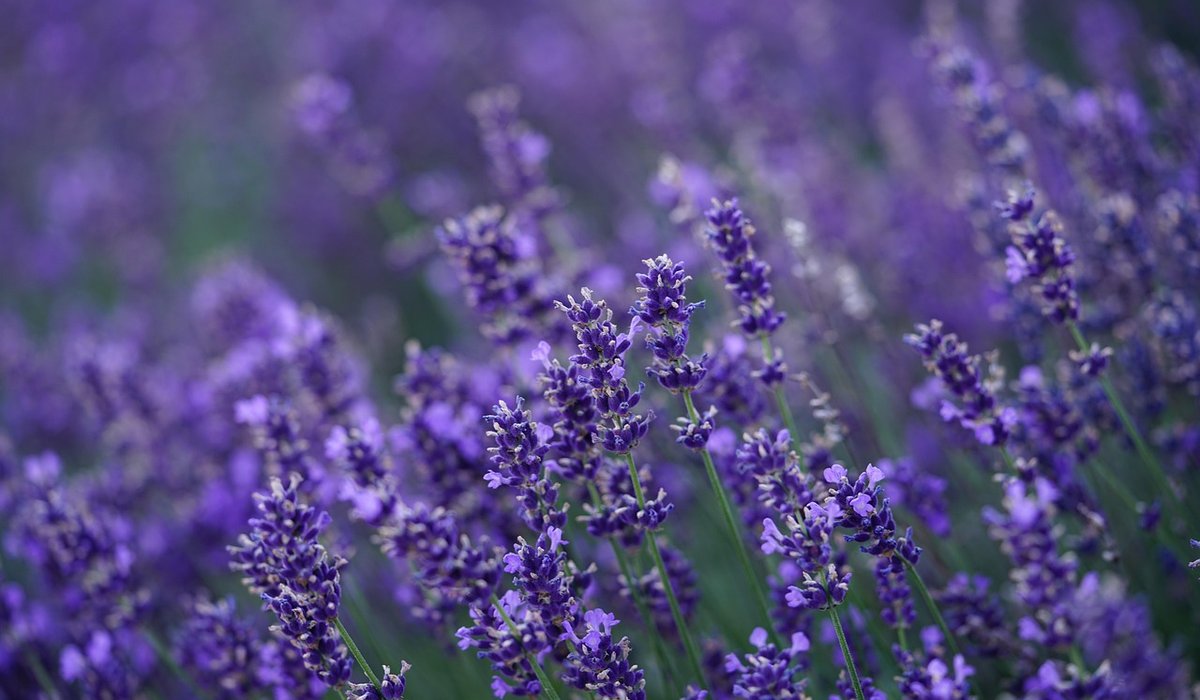
There are few sights more heart-lifting than a British wildflower meadow in high summer: ox-eye daisies, knapweed, yellow rattle and a haze of butterflies. But behind that gentle beauty lies a brutal truth. Wildflowers are not delicate. They are tough, opportunistic and, above all, hungry for poor soil and fierce competition. Get the basics wrong and you will end up with a thicket of rye grass and creeping buttercup, wondering where it all went wrong. Whether you are sowing a small patch of damp pasture or a wet meadow beside a stream, the same mistakes trip up hopeful growers year after year.
Sowing into rich, fertile soil
This is the single biggest error. Most of us are taught that plants need feeding, watering and pampering. Wildflowers do not. A perennial wildflower meadow is a plant community adapted to low fertility. Give it rich soil and the grasses – faster, greedier and taller – will smother your flowers before they have a chance. The same applies to wet meadows: add fertiliser or sow onto recently manured ground and you will get a lush stand of soft rush and cocksfoot, not ragged robin and meadowsweet.
If your soil is fertile, reduce its nutrient levels before sowing. Options include:
- Stripping the topsoil – remove 5–10 cm of the richest layer and pile it elsewhere.
- Growing a nutrient-hungry cover crop – sow mustard or rye, let it grow, then cut and remove it before it sets seed. Repeat for a season.
- Double-cropping with potatoes – an old-fashioned but effective way to exhaust the soil.
On wetland sites, avoid adding any organic matter at all. Do not dig in compost or well-rotted manure. Poor and damp is perfect for native wetland wildflowers.
Skipping proper site preparation
Another classic mistake: scattering seed onto existing grass or weeds and hoping for the best. It never works. Perennial wildflowers are slow to germinate and establish, while the resident vegetation is already well-rooted and ready to outcompete them. You must clear the ground thoroughly – ideally for a full growing season – before sowing.
Methods include:
- Smothering – cover the area with black plastic for at least three months, ideally over summer, to starve weeds of light.
- Repeated cultivation – fork or rotavate, wait for weed seeds to germinate, then hoe them off. Repeat three or four times.
- Turf stripping – remove the top layer of grass and roots entirely, then sow into the exposed soil.
For wet ground, plan your clearing for late summer or early autumn when levels are lower. Be vigilant about invasive wetland plants such as Himalayan balsam or Crassula helmsii – they will laugh at your wildflower seed if you do not remove them first.
Expecting instant results
A perennial wildflower meadow is not a bedding display. It will not flower its socks off in the first year. The old saying goes: first year sleep, second year creep, third year leap. Many native perennials spend their first season putting down roots, and you may see little more than a few leaves. Annuals like corn poppy might give a flash of colour, but they are not the main event.
Do not panic and do not over-sow. Give the meadow time. Mow the first year's growth to about 5 cm in late summer and remove the cuttings. This stops annual weeds from seeding and lets light reach the young wildflowers. By year three, you should see a genuine transformation. For a wet meadow, patience is even more important – the plants are slower to establish in cool, damp conditions.
Choosing the wrong seed for your site
It is tempting to buy a general-purpose “wildflower mix” from a garden centre. Many contain non-native species, agricultural grasses or flowers that will not thrive in your particular soil and moisture. For a British native meadow, you need seeds of local provenance where possible – plants adapted to your region's climate and soil. More importantly, you must match the mix to your site.
For a wet meadow, look for species such as:
- Ragged robin (Lychnis flos-cuculi)
- Meadowsweet (Filipendula ulmaria)
- Sneezewort (Achillea ptarmica)
- Devil's-bit scabious (Succisa pratensis)
- Greater bird's-foot trefoil (Lotus pedunculatus)
For dry, chalky or sandy soils, choose a different palette: ox-eye daisy, salad burnet, wild thyme, common knapweed. Never sow a dry meadow mix into a boggy hollow – the plants will rot, and the wetland weeds will win.
Neglecting aftercare and mowing
The final common mistake is to treat sowing as the end of the job. It is only the beginning. A wildflower meadow needs an annual hay cut to prevent grasses and scrub from taking over. Cut in late summer (usually August or early September) once the flowers have set seed. Leave the cuttings to dry for a few days so seeds drop, then remove all the hay. Removing the cut material is crucial – if you leave it, you return nutrients to the soil and undo all your hard work.
On wet meadows, a late cut is even more important, because the ground may be too soft for machinery earlier in the year. Grazing with cattle or ponies in autumn and winter can be a useful alternative, but avoid overgrazing. Never mow a meadow short in spring or early summer – you will decapitate the flowers before they bloom and destroy the habitat for insects and birds.
Get these fundamentals right and your wildflower meadow will reward you for decades. It will not happen overnight, and it will not happen on rich soil. But when it does, you will have created something genuinely British: a living, buzzing, flowering piece of our native landscape.
LEAVE A COMMENT