
How to Identify Common Sedges in British Wetlands
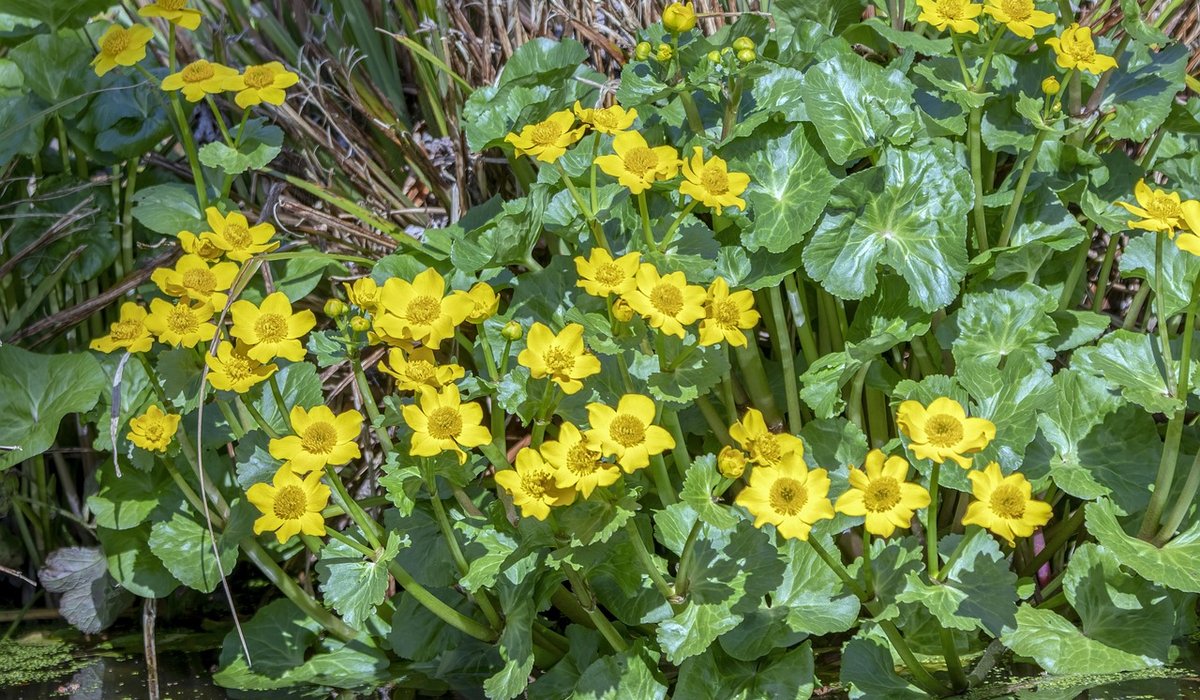
In a healthy garden pond or wetland, native plants such as marsh marigold, water mint and ragged robin create a living tapestry that supports insects, amphibians and birds. But when an aggressive invasive species arrives, it can smother that tapestry within a season or two. The key is to recognise the intruder early and act with patience, using methods that are kind to the wider ecosystem.
Why early identification matters
Invasive plants earn that label because they grow fast, spread easily and outcompete our native flora. In a pond, a mat of floating pennywort can block light and oxygen, while Australian swamp stonecrop can form a dense carpet that leaves no room for smaller native species. By the time an infestation is obvious, it is often costly and disruptive to remove. Early identification gives you choices: you can hand-pull a few fragments before they root, or adjust conditions to favour native plants. Learn the distinctive features of the main troublemakers, and check your pond monthly from spring to autumn.
Problem species to watch for
- Australian swamp stonecrop (Crassula helmsii) – tiny, fleshy leaves and white star flowers; spreads from tiny fragments.
- Floating pennywort (Hydrocotyle ranunculoides) – round, lobed leaves on creeping stems; forms thick rafts.
- Parrot’s feather (Myriophyllum aquaticum) – grey-green feathery foliage above the water; brittle stems break easily.
- Water fern (Azolla filiculoides) – small floating fronds that turn red in autumn; carpets the surface.
- Himalayan balsam (Impatiens glandulifera) – tall, pink-flowered annual on wet banks; explosive seed pods.
- New Zealand pigmyweed (Crassula recurva) – similar to swamp stonecrop but with narrower leaves; often mislabelled.
If you spot any of these, act before they flower and set seed. A single fragment can start a new colony, so every piece you remove must be bagged and disposed of in household waste, never composted or returned to water.
Careful digging and hand-pulling techniques
For small ponds and soft wetland edges, hand removal is often the most precise method. Work from the outside in, using a garden fork to loosen the roots and a rake to lift floating mats. For rhizomatous plants such as Himalayan balsam, pull gently but firmly at the base – if the stem snaps, dig out the root with a hand fork. For submerged species like parrot’s feather, use a long-handled rake or net, then spread the collected material on a tarpaulin to check for hidden wildlife such as newts or dragonfly larvae. Return any creatures to the water.
Timing is crucial. Late summer and early autumn are ideal for many species, as water levels are often lower and plants are still visible but past their peak growth. Avoid the nesting season (March to July) when amphibians and birds are active. Wear gloves, and clean your tools and boots afterwards to avoid carrying fragments to other wetlands.
Shading, smothering and barrier methods
Where digging is impractical, or for large infestations, use light to your advantage. Submerged invasives need sunlight, so a dense canopy of native marginal plants – such as greater pond sedge, soft rush or water forget-me-not – can shade them out. For floating species, a physical barrier is more direct. Lay a woven geotextile or heavy jute mat over the affected area, weighted with clean stones. This smothers the plants beneath. Leave it in place for at least one growing season, then remove it carefully and replant with natives.
In garden ponds, you can also lower the water level in late autumn to expose rhizomes to frost, which kills some tender invasives. Always check that this will not harm overwintering frogs or newts. For banks, a vertical barrier of butyl liner or heavy-duty plastic, buried to 30 cm, can stop creeping roots from spreading into the pond. Combine these methods with hand-pulling for the best results.
Protecting native plant communities after removal
Once the invader is gone, bare mud and open water are an invitation for it to return. Replant promptly with native species suited to your wetland. Good choices include marsh marigold, water avens, yellow flag iris (plant in a basket to control spread), and amphibious bistort. These will use the light and nutrients, making it harder for newcomers to establish. Avoid disturbing the soil more than necessary, and never introduce plants from another pond, as they may carry fragments of invasive species.
Keep a close watch for regrowth. A monthly patrol with a hand net and a bucket is enough. If you see a tiny fragment of swamp stonecrop or a single floating pennywort leaf, remove it immediately. Over time, your native plant community will become more resilient, and the wildlife that depends on it will thrive.
Managing invasive plants in garden ponds and wetlands is rarely a one-off task. It is a seasonal conversation with the land, requiring patience and a light touch. By identifying problems early, removing them carefully, and using shading or barriers where needed, you protect the intricate web of British native plants that make these watery places so special.
LEAVE A COMMENT