
Creating a Mini Wetland in a Small Urban Garden
A Border That Never Dries Out
Most gardeners treat a damp corner as a problem to be solved — dug out, piped away, or filled with gravel and call it a feature. But a border that stays moist through August is one of the most generous pieces of ground you can own. Native wildflowers that evolved along our ditches, wet meadows and fen edges are perfectly at home there, and they arrive with the insects that depend on them.
Plant them well and you get colour from March to October, with far less watering than a dry border demands. You also get a small piece of British wetland, held in place between a lawn and a fence, doing real work for bees, butterflies and moths.
Read the Ground Before You Plant
Before ordering anything, spend a fortnight watching the spot. Damp borders vary enormously, and the difference between "moist in winter" and "squelchy all year" decides what will thrive.
- How wet, and when? Push a cane in and see how far it sinks. Waterlogged from November to March but workable in summer suits ragged robin and lady's smock. Permanently wet suits marsh marigold and yellow flag iris.
- How much sun? A damp border under a wall or hedge is a different planting to one open to the south. Most moisture-lovers flower best with at least half a day of sun.
- How rich is the soil? Fertile, dark, crumbly ground grows lush leaves and few flowers. Wetland wildflowers generally want leaner conditions. If your soil is very rich, strip the top few centimetres or plan to remove cuttings each autumn to lower fertility over time.
Native Wildflowers That Relish Moisture
These are all British natives or long-established wildflowers, widely available as plug plants or bare-root stock from specialist growers.
- Marsh marigold (Caltha palustris) — the first big event of the damp border, with golden cups from March. Fine at the wettest edge, even in shallow standing water.
- Lady's smock (Cardamine pratensis) — pale lilac spring flowers and, crucially, a food plant for the orange-tip butterfly. Let it seed about.
- Ragged robin (Lychnis flos-cuculi) — shredded pink petals on wiry stems in early summer. Short-lived but generous with seed if the ground stays damp.
- Water avens (Geum rivale) — nodding, dusky apricot bells for shade and semi-shade. One of the best natives for a north-facing damp border.
- Meadowsweet (Filipendula ulmaria) — creamy, almond-scented plumes in midsummer and a magnet for solitary bees and hoverflies.
- Purple loosestrife (Lythrum salicaria) — tall magenta spires from July into September, loved by long-tongued bumblebees.
- Common valerian (Valeriana officinalis) — soft pink heads on stiff stems, sweetly scented at dusk for moths.
- Hemp agrimony (Eupatorium cannabinum) — a big, dusky-pink butterfly plant for the back of the border. Give it room.
- Devil's-bit scabious (Succisa pratensis) — rounded lilac pincushions from August onwards, a late lifeline for bees and the food plant of the marsh fritillary.
- Common fleabane (Pulicaria dysenterica) — cheerful yellow daisies into autumn, ideal at the front where the ground is wettest.
- Yellow flag iris (Iris pseudacorus) — architectural grey-green blades and bold yellow flowers. Spreads steadily, so give it a boundary.
- Sedges (Carex species) — not showy, but they hold the border together in winter and shelter insects among their tussocks.
Planting It Well
Autumn is the moment. Bare-root plants and plugs put in from late September to early November settle in before winter, need almost no watering, and flower the following summer. Spring planting works too, but you will be tied to the can for weeks.
Plant in odd-numbered groups — three, five, seven — rather than single specimens dotted about. Grasses and sedges at the edges, taller species such as hemp agrimony and loosestrife behind, low fleabane and marsh marigold to the front. Space plugs roughly 30cm apart and firm them in properly, teasing out any circling roots first.
Mulch with garden compost or leaf mould, but keep it off the crowns. Resist feeding. Rich ground makes floppy, leafy plants that fall over in the first heavy rain and produce disappointingly few flowers. Water through the first dry spell, then leave them to it.
The Wildlife That Follows
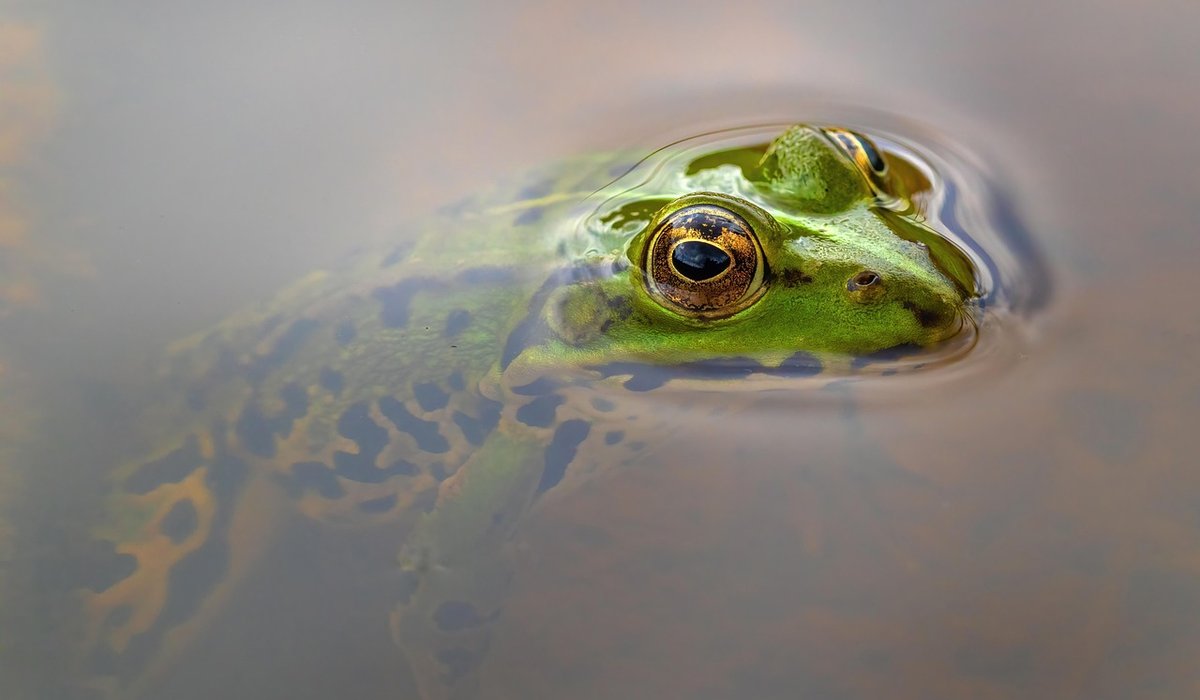
A damp native border becomes busy surprisingly quickly. Expect leafcutter bees on the meadowsweet, peacocks and small tortoiseshells on the hemp agrimony, and moths nectaring after dark on valerian. Lady's smock draws orange-tips in from wherever they are locally. Frogs and newts find cover in the cool, tangled growth, and damselflies hunt along it on still afternoons.
- Leave seedheads standing through winter — they feed goldfinches and shelter overwintering insects.
- Cut only half the border back in early spring, so something is always left standing.
- Leave a few hollow stems at 30–40cm rather than tidying to the ground.
- Skip pesticides entirely; the point of the planting is the insects.
Keeping a Wetland Notebook
There is a long tradition of writing about wet places in Britain — of ditches and fen, of slow water and the life that gathers at its edge. You can join it with a pencil and a few minutes a week. Note the date the first marsh marigold opens, which bee is working the loosestrife, when the seedheads start to rattle.
Within two or three years you will have a small, precise record of a damp corner in your own parish: what grows, what visits, what changes. That is wetland nature writing at its most useful, and it starts with nothing more than planting a few wildflowers where the ground already wants to be wet.
LEAVE A COMMENT