
Understanding Soil Moisture for Wetland Plant Success
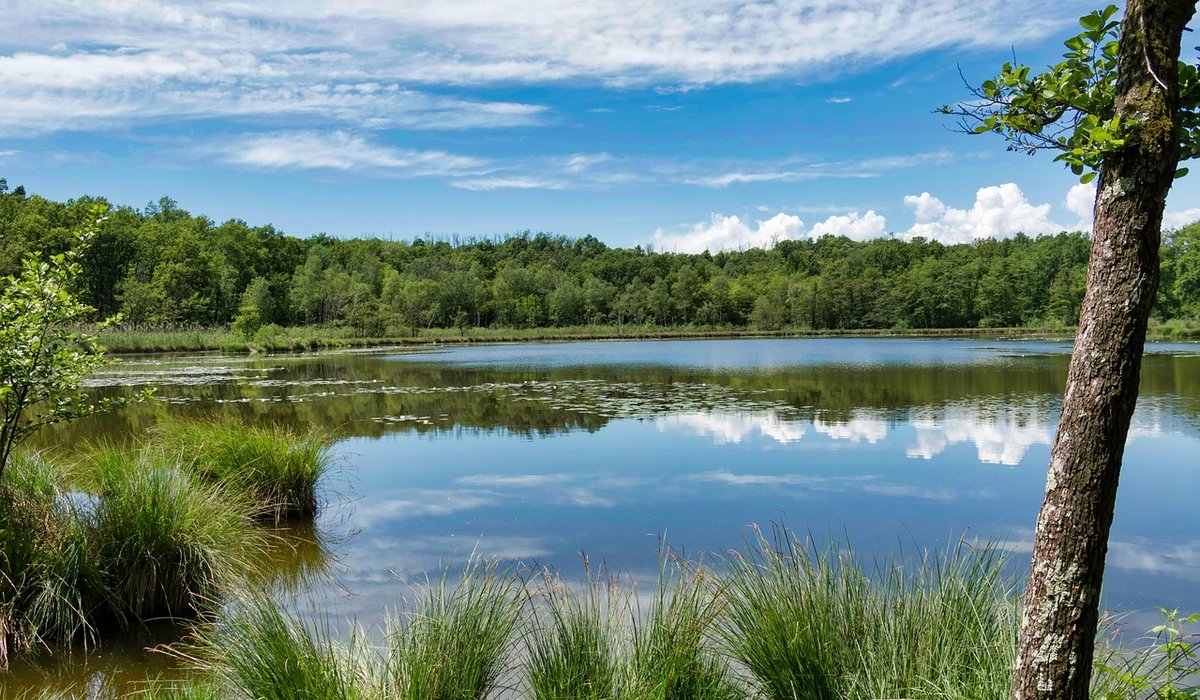
In a British wetland, flowers can be fleeting. A fen may blaze with purple loosestrife for a few weeks, then settle back into green. But leaves remain from spring through autumn, and they are often enough to narrow down what you are looking at. Identifying wildflowers by leaf shape rewards patience. Combine it with a close look at the habitat, and you can name many plants before a single petal opens.
Why leaves tell the story before petals appear
Leaf shape is governed by genetics, but also by light, water flow and grazing. A plant in deep shade may have broader leaves than the same species in full sun. Still, the basic outline – rounded, lance-shaped or divided – stays consistent. Before you reach for a flower guide, note three things: overall shape, edge (smooth, toothed or lobed), and arrangement (alternate, opposite or rosette). In wetlands, these clues are especially useful because many species flower briefly.
Rounded and kidney-shaped leaves
Rounded leaves often point to damp ground and shallow water. Look for a broad, circular or kidney-shaped blade, sometimes heart-shaped at the base.
- Marsh marigold (Caltha palustris) has glossy, dark green, kidney-shaped to circular leaves with scalloped edges. Found in wet meadows, ditches and stream margins.
- Water mint (Mentha aquatica) carries opposite, ovate to rounded leaves with serrated margins. They are often purple-tinged and smell strongly of mint. Common in marshes and pond edges.
- Butterbur (Petasites hybridus) produces huge round leaves later in the season. Look for them on riverbanks and in damp shade.
If the leaf is rounded but tiny and floating, consider frogbit. If it is hairy and rounded, think of water avens basal leaves, though those are more divided.
Lance-shaped leaves and their lookalikes
Lance-shaped leaves are longer than they are wide, tapering to a point. They are common among tall wetland perennials in fens, wet meadows and riverbanks.
- Ragged robin (Silene flos-cuculi) has opposite, narrow lance-shaped leaves with rough edges. Basal leaves are broader. Look in wet grassland and fen.
- Purple loosestrife (Lythrum salicaria) has opposite or whorled lance-shaped leaves, often downy and grey-green. It thrives in fens, ditch banks and beside slow rivers.
- Yellow loosestrife (Lysimachia vulgaris) has similar but broader leaves, often in whorls of three or four. Prefers wet woodland edges and fen carr.
- Water forget-me-not (Myosotis scorpioides) has oblong to lance-shaped, hairy leaves in opposite pairs. Common along stream banks and in shallow water.
Check the stem: square suggests mint or figwort; round and hairy points to loosestrife.
Divided and feathery leaves
Divided leaves are cut into leaflets or fine segments. In wetlands, they often belong to plants of moving water, wet woodland or rich fen.
- Meadowsweet (Filipendula ulmaria) has pinnate leaves with two to five pairs of leaflets and a larger terminal leaflet. They are sharply toothed and silvery beneath. Found in damp meadows and fen.
- Water avens (Geum rivale) has pinnate, lyre-shaped leaves with a large terminal lobe. Grows in wet woodland, stream banks and fen.
- Marsh cinquefoil (Comarum palustre) has palmate leaves with five to seven leaflets, often grey-green beneath. Creeps through acid bogs and wet heath.
- Water crowfoot (Ranunculus aquatilis) has thread-like submerged leaves and lobed, kidney-shaped floating leaves. Look in ponds, streams and ditches.
Thread-like submerged leaves almost always mean water crowfoot or a similar aquatic buttercup.
Reading the habitat as a third clue
Leaf shape alone will not name every plant, but habitat makes the shortlist shorter. A rounded leaf in a calcareous fen is likely marsh marigold; the same shape in an acid bog might be bogbean or round-leaved sundew. Lance-shaped leaves in a wet meadow point to ragged robin or purple loosestrife. Divided leaves in fast-flowing water suggest water crowfoot; in a stagnant ditch, think fool’s watercress. Note water chemistry if you can: acid bogs, neutral marshes and alkaline fens each support different plants. Also note water level: floating, submerged and emergent leaves tell their own story.
Putting it together in the field
When you find an unknown wetland plant, work through a simple routine:
- Leaf outline: rounded, lance-shaped or divided.
- Edge: smooth, toothed, scalloped or lobed.
- Arrangement: opposite, alternate or basal rosette.
- Underside: colour and hairiness.
- Smell: mint, aniseed or rank.
- Habitat: bog, fen, marsh, pond margin, stream bank or wet woodland.
With practice, you will see patterns. A rounded leaf in shallow water, a lance-shaped leaf in a fen, a divided leaf in a stream – each narrows the possibilities. Carry a hand lens, photograph the whole plant and the leaf base, and note the habitat. The flowers will come, but the leaves will often get you there first.
LEAVE A COMMENT