
The Role of Sedges in Pond Filtration and Wildlife Habitat
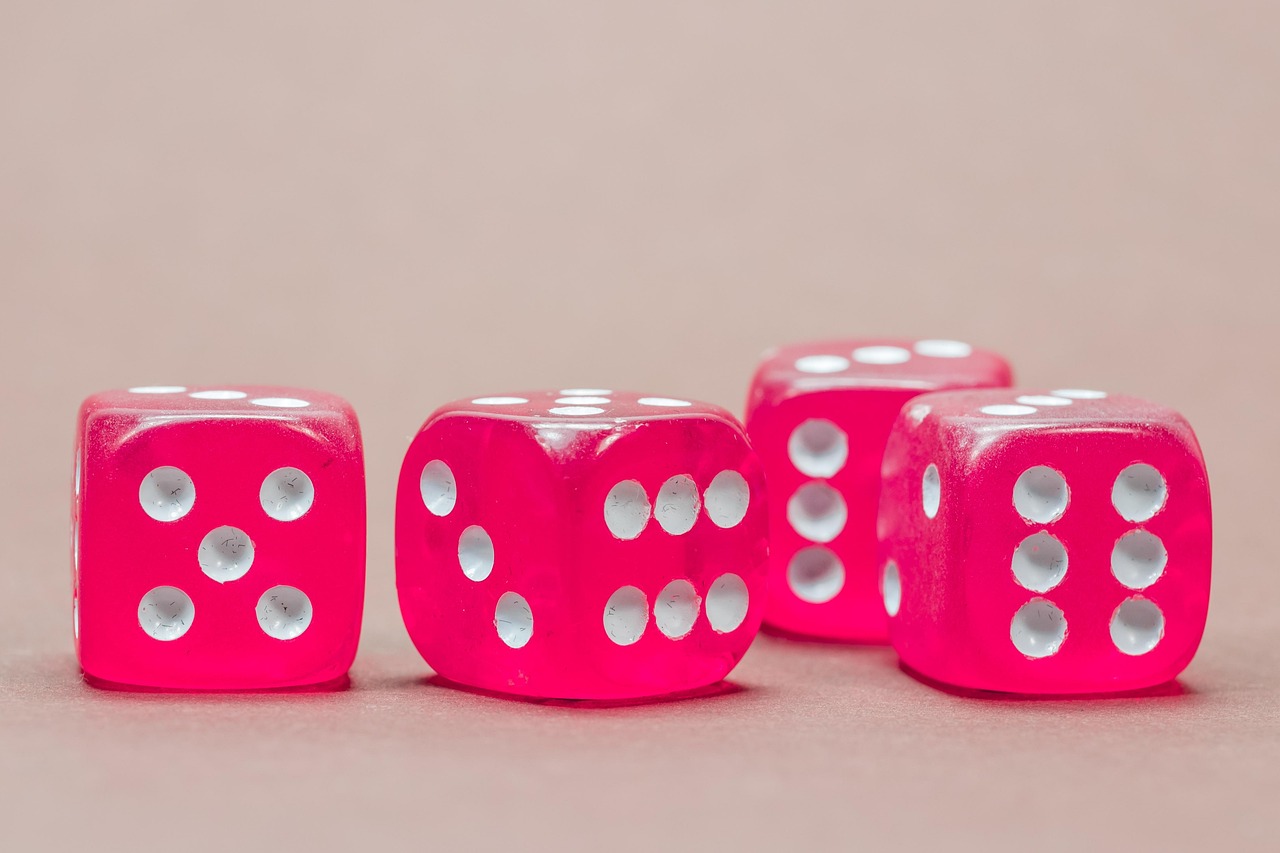
Ask ten recreational players what gives them an edge and you'll usually hear the same things: hot streaks, gut feelings, or that one slot machine that "owes" a payout. The uncomfortable truth is that nearly every game in a casino, sportsbook, or poker room is built around numbers that don't care about your instincts. The good news? Those same numbers are public, and understanding them is the single fastest way to stop being an easy mark.
Here's a practical look at where the money actually goes, why bonus offers are never quite what they seem, and how poker is the one discipline where you genuinely control your destiny. For a closer look, keonhacaii5.com.co has helpful details.
Why the House Always Wins (and By How Much)
Every game has a house edge, and the size of that edge decides how long your bankroll survives. On a standard American roulette wheel, the two zeroes create a 5.26% edge. European roulette, with just one zero, cuts that to 2.7% — which is why anyone who understands the difference never plays the double-zero version. Blackjack played with perfect basic strategy drops the edge to roughly 0.5%, but sloppy play can push it above 2%.
The key point is that the house edge is a long-term average. It doesn't mean you lose 5.26% every spin. It means that across thousands of spins, the casino keeps that slice — while your individual session is still volatile enough to produce big swings both ways.
- Baccarat (banker bet): ~1.06% edge
- Craps (pass line, with odds): under 1%
- Three-card poker (ante): ~3.4%
- Keno: often 25% or higher
If you want entertainment per dollar spent, stick to the low-edge games. If you just want a shot at a life-changing payout, accept that high-variance games like keno exist mostly to fund the casino's carpet cleaning.
Slots: RTP, Volatility, and the Lies We Tell Ourselves
Slot machines are where most players spend the most time — and where myths flourish. The two numbers that genuinely matter are RTP (return to player) and volatility.
RTP is the percentage of all wagered money a game pays back over its lifetime. A 96% RTP slot returns $96 for every $100 bet, on average, and keeps $4. Online slots commonly sit between 94% and 97%. Land-based machines can be legally set as low as 85% in some jurisdictions, which is a huge difference over a few thousand spins.
Volatility describes how those returns arrive. A low-volatility slot drips out frequent small wins; a high-volatility machine might eat your balance for an hour and then hand you a massive multiplier. Neither is "better" — but if you sit down with $50 at a high-volatility game expecting steady play, you'll likely be disappointed.
What doesn't matter: whether you just hit a jackpot, how long the machine has been sitting idle, or whether the person before you lost big. Modern slots use random number generators, and every spin is independent.
The Truth About Casino Bonuses
Welcome offers read like free money, but the fine print is where the value hides. A typical "100% up to $500 + 50 free spins" bonus comes with wagering requirements — often 30x or more.
Here's how that math works:
- You deposit $100 and receive a $100 bonus, giving you $200 to play with.
- The wagering requirement is 35x the bonus, meaning you must bet $3,500 before withdrawing anything.
- If the game you're playing has a 96% RTP, your expected loss over those $3,500 in bets is roughly $140.
- Your bonus is worth far less than its headline value — often less than zero once variance is factored in.
That doesn't make bonuses worthless. If you pick an offer with a low wagering requirement, high RTP game eligibility, and no draconian time limits, a bonus can meaningfully extend your session. But if you're chasing a bonus across low-RTP games just to "clear" it, you're working against yourself.
A quick checklist before claiming any promo
- Wagering requirement (under 35x is reasonable)
- Which games count toward clearing — slots usually 100%, table games often 10% or less
- Time limit to complete the playthrough
- Maximum cashout cap on bonus winnings
Poker Is a Different Animal Entirely
Poker stands apart because you're not playing against the casino — you're playing against other people, and the house just takes a rake (typically 5% of each pot, capped). That means it's the one game where a skilled player can genuinely have a positive expectation over the long run.
The distinction matters. In slots or roulette, no strategy changes the house edge. In poker, your decisions directly determine your results. Position at the table, pot odds, opponent tendencies, and bankroll management all create real — measurable — edges.
That also means the learning curve is steep. Most new players lose for a while, not because the game is rigged, but because they're playing against people with years of pattern recognition behind them. Start at micro-stakes. Track your results honestly. Review hands. Read one solid book rather than ten blog posts. The edge compounds slowly.
Betting Markets: Where Information Beats Luck
Sports betting is another place where an informed player can do more than guess. The sportsbook builds a margin into its odds — typically 4% to 6% on a standard two-way market — but sharp bettors exploit soft lines, line movement, and stale prices before the market corrects itself.
The average recreational bettor loses about 4.5% of every wager over time, mirroring the vig. But bettors who consistently find closing line value — getting a better price than the final odds posted before kickoff — tend to win long-term. That's not theory; sharp betting communities have tracked this relationship for years.
For most people, the honest takeaway is: bet small, bet for fun, and never bet on your favorite team just because you believe in them. Belief pays nothing.
The Bottom Line
Casinos aren't rigged in the sense most conspiracy-minded players imagine. They don't need to be — the math already guarantees them a profit. What separates a thoughtful player from a frustrated one isn't luck; it's understanding which games reward skill, which bonuses are real value, and which bets are essentially a tax on hope.
Play the games with low house edges. Read the bonus terms twice. Treat poker and sports betting as skills worth learning, and treat slots as what they are — entertainment with a known cost. Do that, and you'll walk away more often than the person next to you who's still waiting for the machine to "get hot."
LEAVE A COMMENT